



automotion warranty review - priority insights for careful owners

First impressions and what matters first

I read policy documents line by line and start with definitions. Clarity around what is covered, how claims are authorized, and where caps apply is my priority because surprises often hide in the margins. If the sample contract is easy to navigate and the exclusions are explicit, confidence rises.

Coverage architecture, simplified

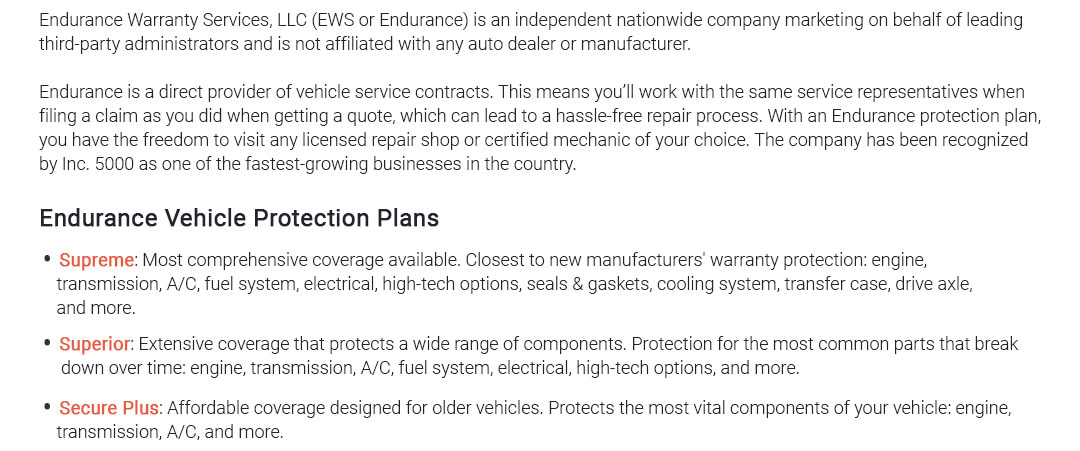
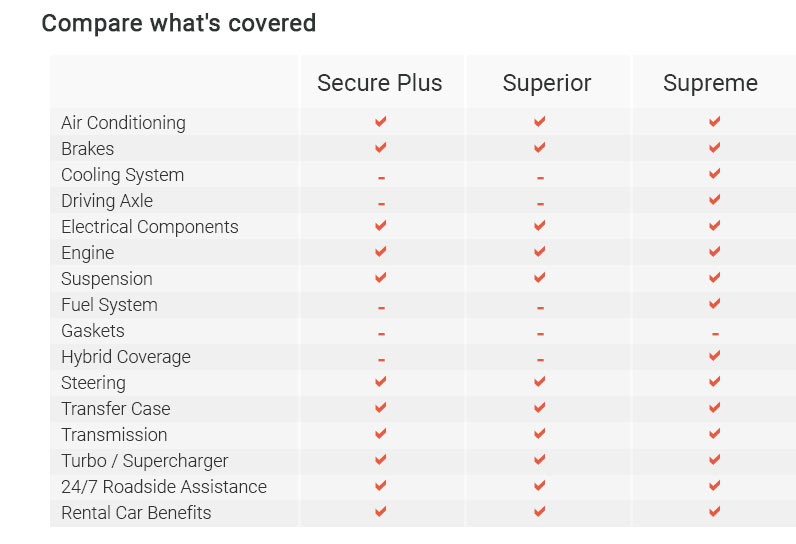
  • Exclusionary (best mimic of factory coverage): lists what's not covered; everything else mechanical/electrical is typically in. Great for newer vehicles, pricier, and sensitive to maintenance records.
  • Stated-component: only the named parts are covered. Read every line. If an assembly has ten parts and three are listed, the other seven are on you.
  • Powertrain: engine, transmission, drive components. Affordable, limited. Good if the rest of the car is inexpensive to fix.

Exclusions that quietly matter

  • Maintenance and wear: brake pads, rotors, clutches, wiper blades, glass. Straightforward but double-check if wear-related failure can void adjacent coverage.
  • Diagnostics/tear-down: some plans pay only if the repair is approved. Ask if you're on the hook when the fault is not covered.
  • Labor rate caps: if your shop charges $185/hr and the contract pays $120/hr, the difference is yours.
  • Pre-existing and overheating: two frequent denial paths; definitions vary widely, so read the exact wording.
  • Aftermarket mods: tunes, lifts, non-OEM parts can complicate approvals.

Limits, dollars, and the math behind a "good" plan

  • Deductible style: per-visit vs per-repair. Per-visit usually saves money on multi-line jobs.
  • Per-claim and aggregate caps: know the ceiling for a single repair and the lifetime maximum. High-mileage vehicles benefit from higher aggregates.
  • Parts rules: OEM vs aftermarket vs reman. Matching quality to your vehicle's age is an insight worth weighing.
  • Taxes, fluids, shop supplies: some pay them, some don't. Small line items add up.
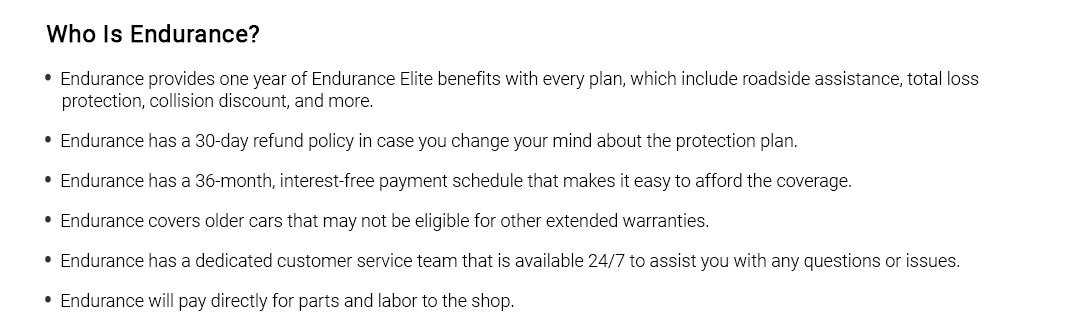
  • Rental and roadside: daily cap, waiting period, and approved vendors make a real difference on busy weeks.

Claims flow, observed

Real moment: a midweek visit at an independent shop for a coolant temp sensor on a six-year-old hatchback. The advisor called the administrator, provided the fault code and estimate, and waited for pre-authorization; approval arrived in under two hours, direct-pay was offered, and the deductible was handled at the counter. The smoothness came down to three things - clear labor rate policy, a reachable adjuster, and clean maintenance records.

Costs and value, framed

Quotes move with vehicle age and mileage, coverage tier, term length, and selected deductible. Expect surcharges for turbocharged powertrains, luxury brands, and complex tech; hybrids and EVs can carry special battery clauses.

I pressure-test value by mapping likely failures to contract limits: water pump, control arms, infotainment modules, AC compressors. If the realistic two-year repair basket exceeds premiums plus deductible exposure, the plan starts making sense - if claims are actually paid.

Due diligence checklist before you sign

  1. Request the full sample contract for your VIN and mileage; do not rely on brochures.
  2. Identify the administrator and the underwriter; financial backing matters for long terms.
  3. Confirm pre-authorization steps, documentation needed, and whether direct-pay is standard.
  4. Ask for written labor rate and diagnostic coverage policies.
  5. Verify shop flexibility: any licensed/ASE facility or a restricted network.
  6. Read cancellation and refund terms, including pro-rata calculations and fees.
  7. Check transferability and any inspection/waiting period requirements.
  8. Note wear-and-tear language and how "sudden and accidental" is defined.

Fit and misfit

  • Good fit: daily drivers kept beyond 100k miles, owners who prefer budget predictability, and vehicles with pricey electronics.
  • Maybe: weekend cars with low annual miles; consider a smaller plan or saving the premium in a repair fund.
  • Not ideal: vehicles with heavy modifications or spotty maintenance records; approval friction is likely.

Signals I watch

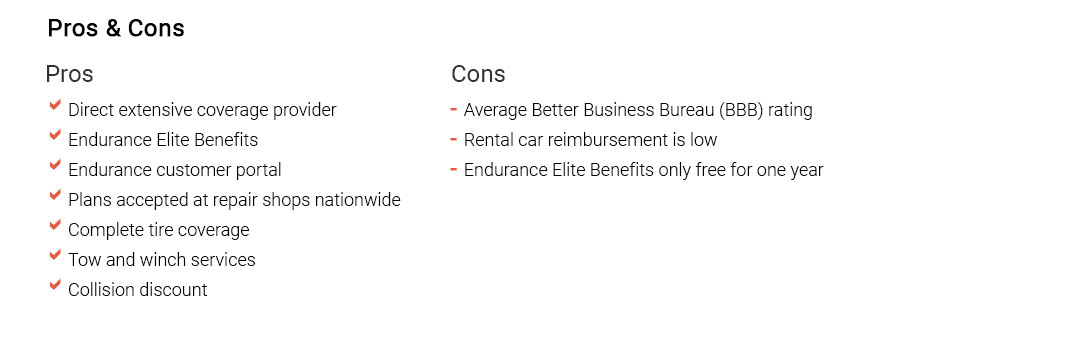
  • Green flags: plain-language contracts, transparent caps, easy claims portal, clear roadside/rental terms.
  • Caution flags: hard-to-reach claims lines, vague "wear" wording, per-component caps that won't touch modern electronics, and long waiting periods that overlap near-term needs.

Bottom line

This automotion warranty review focuses on priority: clear coverage, predictable claims, and fair limits. If the sample contract reflects those strengths and the administrator communicates well, the plan can serve as a steadying tool rather than a gamble; I'll keep noting claim turnaround times over the next service cycle to see how the trend holds.

https://www.pistonheads.com/gassing/topic.asp?h=0&f=23&t=1890981
Has anyone had any dealings with them? I am buying a used car and the dealer is providing warranty by them. I am generally distrustful on ...

https://www.facebook.com/myautomotionwarranty/
Automotion Warranty is a car warranty that works for you. We offer cover to a wide range of makes and models available in the UK.

https://www.automotionwarranty.net/customer-problem-with-my-car-faqs.html
Yes, your Automotion Warranty covers for use outside of the UK for up to 60 days pro rata. You will need to have your vehicle repaired in the EU and then make a ...


atwratnwm
4.9 stars -1425 reviews